

We launched our company with a parody product.
…and handled 7 terabytes of Apple Plug traffic in a day, for free. Here’s how
Sep 19, 2016 · Agency Life · 5 min
Nicer Studio
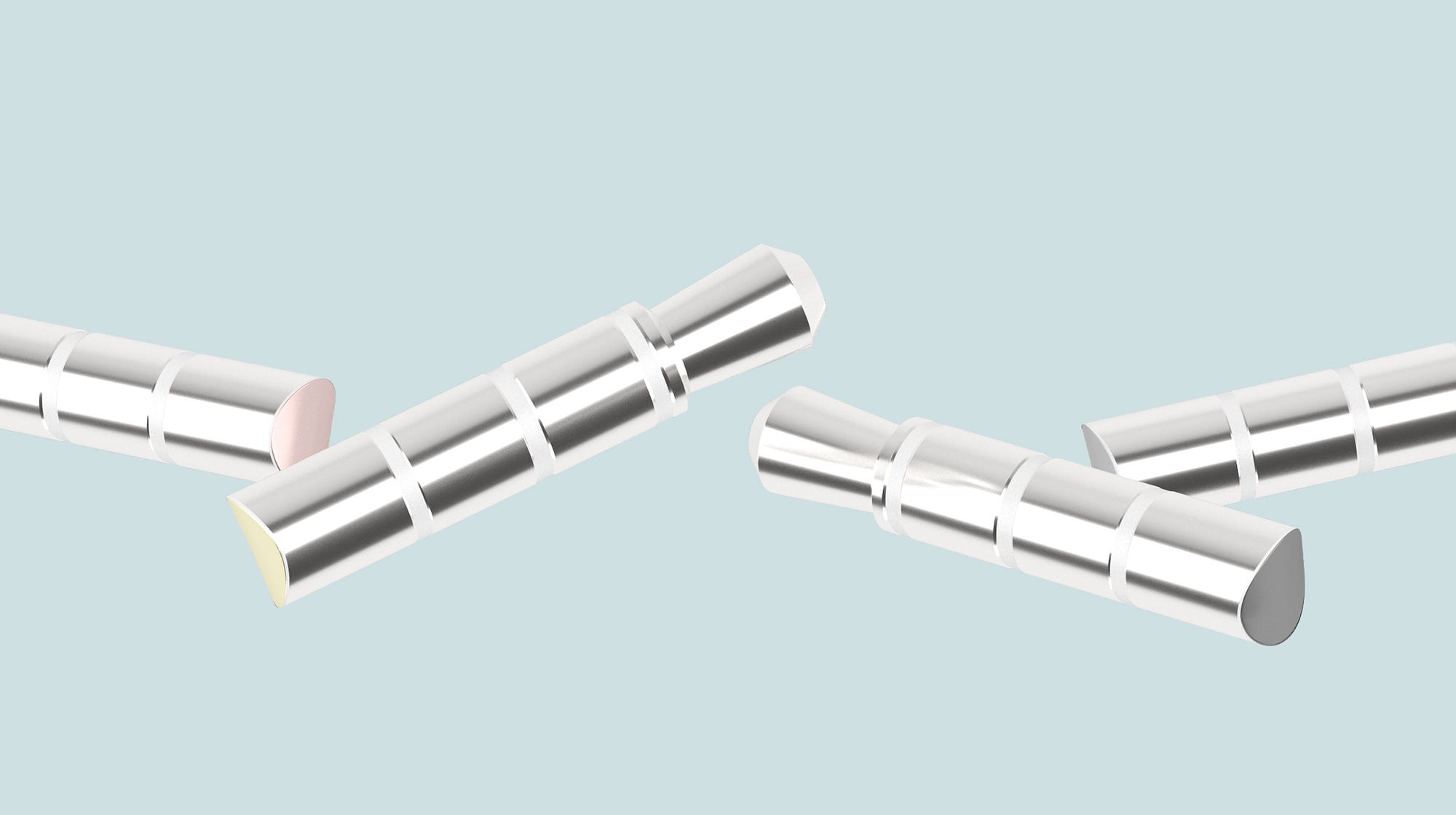
Last week Apple launched the iPhone 7 sans headphone jack, and the Internet was not impressed. Amid the clamor on social media, we released Apple Plug, a parody product that would remove the headphone connector of your iPhone 6, “upgrading” it to an iPhone 7.
It blew up. Adweek, The Verge, and The Atlantic wrote articles about Apple Plug. We were a trending topic on Twitter and featured in a Twitter moment. We hit the front pages of Reddit, Imgur, and Product Hunt. Friends were texting us that they saw Apple Plug on BBC or read about it in Mashable and Gizmodo. Suddenly the silly joke we made in a private Slack channel was something the whole Internet was laughing at.
Here’s a rundown of what worked, what didn’t, and how launching our studio with a parody product gave us an audience to launch our first real products.
Our Goals
We’re a small team of designers getting ready to launch some mobile games and apps through our studio, Nicer. Spending time on a parody product seemed like a chance to get followers for our brand-new Twitter account and maybe a few newsletter subscribers.
We were hoping to get some of our favorite parody accounts like not Jony Ive to tweet about Apple Plug (He didn’t.) and maybe even some real-people Twitter accounts we’re fans of like MKBHD or Ryan Hoover. (They did.) We hoped for a few thousand hits on the site, converted to maybe 100 Twitter followers and 100 email subscribers. And most importantly, we wanted our only expense to be the $10 domain name, ApplePlugs.com.
Our Launch Plan
Since we had no audience, the plan was pretty simple. Tweet from our new company account, post a few Dribbble shots, and use our personal accounts to share on every site that might draw traffic. The site was live Wednesday morning, but we waited to share it until just after official confirmation that the iPhone 7 wouldn’t have a headphone jack.
Top Traffic Sources
Twitter: We launched the site on Twitter first and pretty quickly got some people with serious follower counts to retweet us by replying to other tweets about the iPhone 7 not having a headphone jack. Replies from our personal accounts tended to get more traction than replies from our studio account.
Reddit: We found Reddit to be one of the easiest audiences to reach because we could post in subreddits with an audience fit for the joke. Our post on r/apple got 5k upvotes, as did a post on r/technology by someone we didn’t know that hit the front page.
Imgur: Submitting a gallery on Imgur is kind of a shot in the dark, but our gallery did make it to the front page briefly.
Facebook: Perhaps our biggest missed opportunity: we didn’t make a Nicer Studio page on Facebook. (We have one now.) We’re not big Facebook users, but Facebook turned out to be our largest audience by far, bringing 3x the traffic we got from Reddit and 10x the traffic we got from Twitter.
Our Approach to Hosting
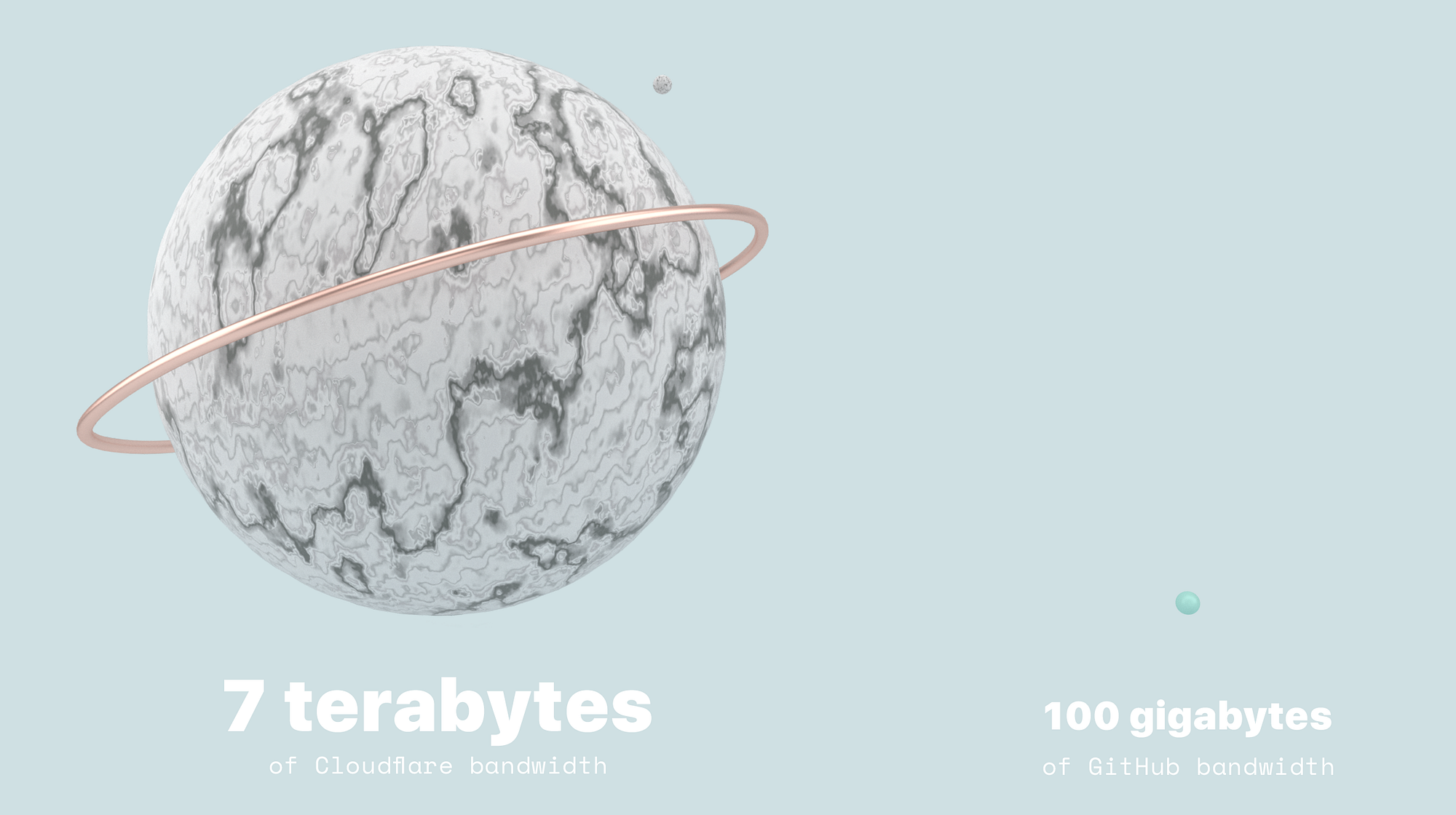
We put the site on a free Github Page, which is awesome for quick projects like this with static content but has a 100gb/month recommended bandwidth limit. The Apple Plug site with images runs at over 4mb, and we got more than 1.5 million views in a day, which adds up to around 7 terabytes of bandwidth, waaay more than Github’s limit. To handle this we added a free plan from Cloudflare, which we can’t recommend enough. We were able to transition to their CDN seamlessly, and they handled 99% of our bandwidth. (In total over the last week: 9.69 terabytes out of 9.80 terabytes.)
Email List Conversion Rate
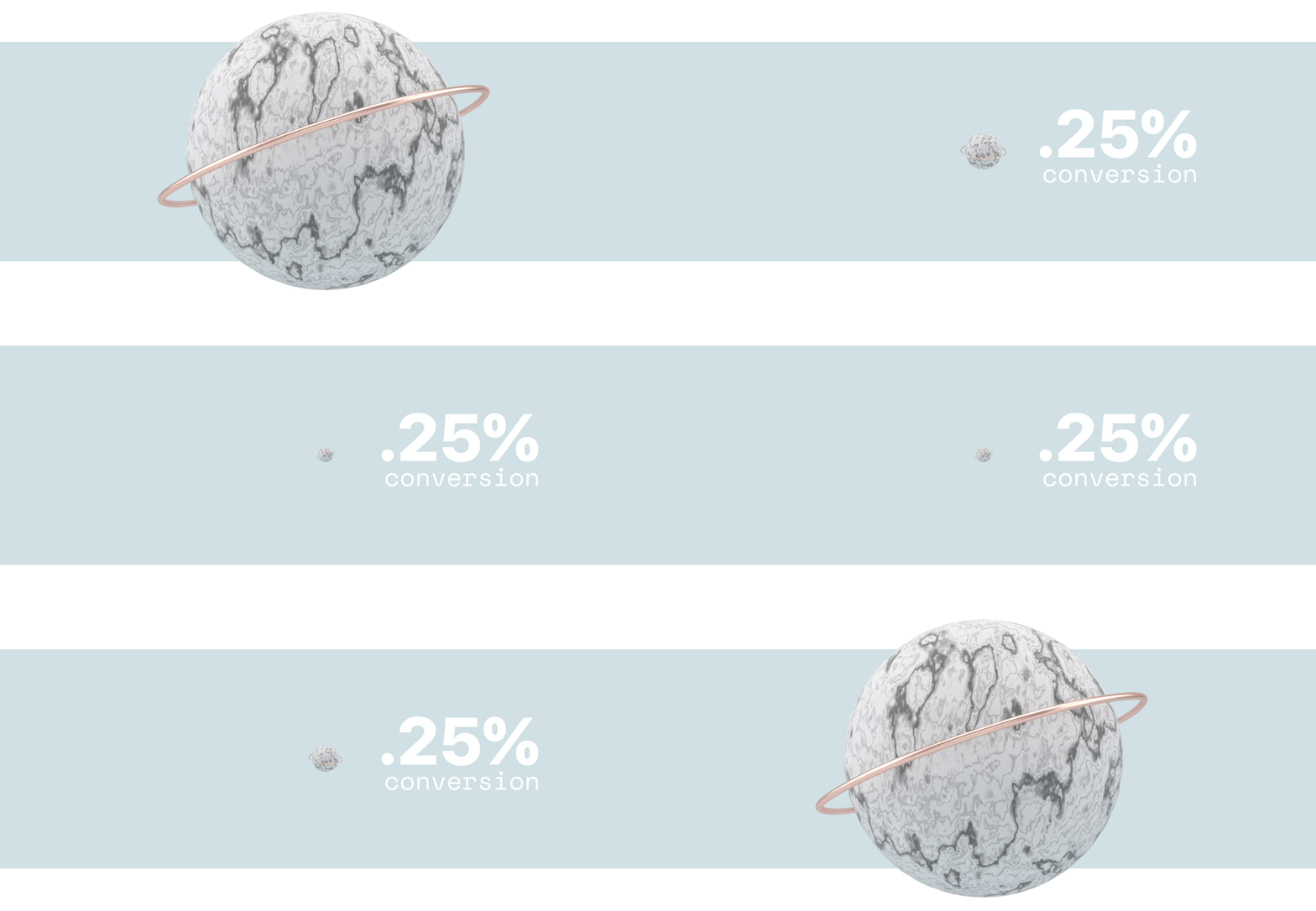
Even for a parody product, our conversion rates seem low. We didn’t want to include popups or ads, but we added a small email subscription form to the bottom of the Apple Plug site, which got us over 5,000 subscriptions. (1 out of every 400 visitors subscribed.)
We used Mailchimp, which has a great free plan but caps out at 2,000 subscribers. (To email 5,000 subscribers you end up paying $50/month.) We haven’t decided whether that’s the best route for us to take long-term, but Mailchimp provided developer-friendly forms that took minutes to add to our site.
Press
Getting press for our project was one of the hardest things for us to predict. We tried reaching out to individual journalists on Twitter, but that almost never worked. Most journalists who wrote about Apple Plug found it organically from someone in the tech community who tweeted about it.
Sites like The Verge surprisingly didn’t contribute significantly to our traffic. Links to our site were often buried in paragraphs of copy, so click-through rates were pretty low. However, these links did help the SEO of Nicer.io significantly. Our website, Twitter, and Dribbble pages jumped to the top of results for “Nicer Studio” and the first two pages of results for “Nicer”.
What’s Next
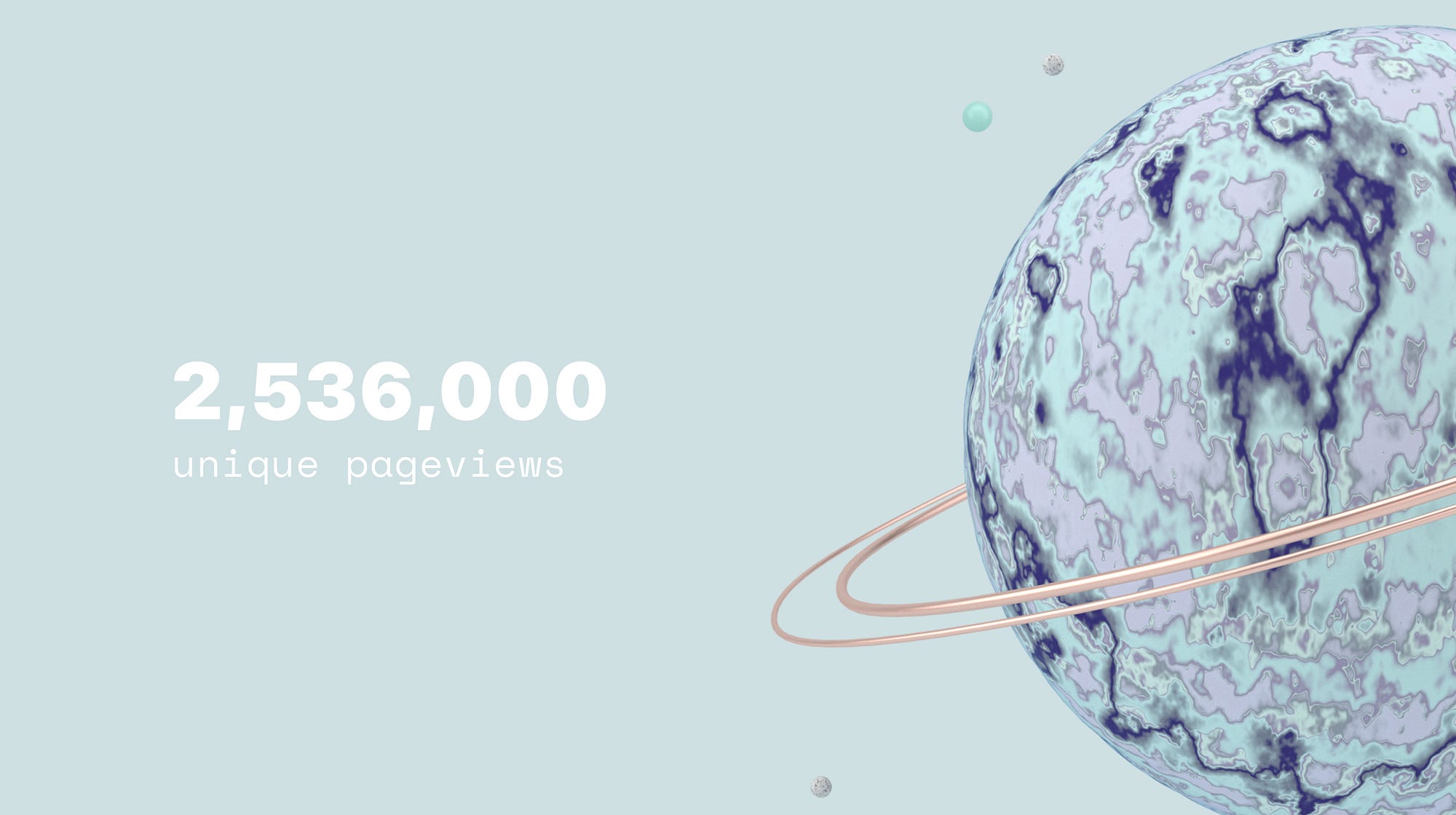
In retrospect, our goals were low. We had over 2.5 million page views, grew our email list to over 5,000, and went from 6 Twitter followers to over 1,500. Having an audience changes some things, but it doesn’t change the direction of Nicer.
Over the next few months we plan to release some real products. One that we’re particularly excited about is a beautifully minimalist 3D game for iOS and Android called Blox. If you want to keep up with our work on that and other projects, follow us on Instagram. That’s where we’ll be sharing our work in progress. You can also follow us on Twitter. That’s where we’ll let you know when we launch something new.
Something New
Speaking of new products: Today we’re releasing 2 free sticker packs for iMessage. Once you’ve installed the free upgrade to iOS 10, you can download these for free from the App Store.
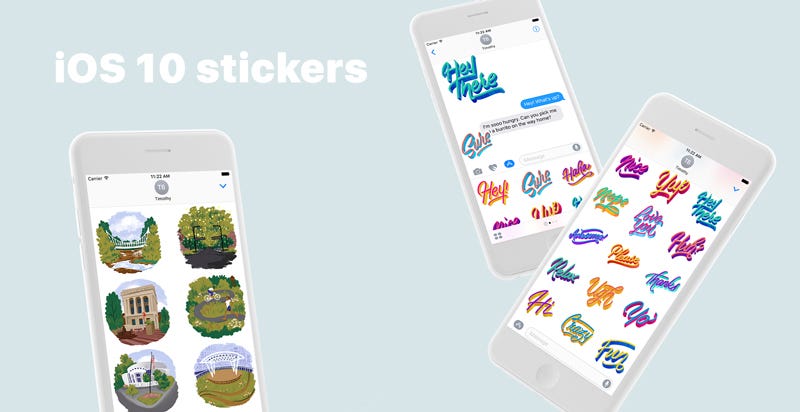
The first sticker pack is called Small Talk, a set of 18 beautifully lettered messages to brighten up any conversation. The second is a set of illustrations featuring landmarks in our city, Greenville, South Carolina. All stickers were illustrated by Alyssa Guerrero.
You can find Alyssa on Instagram and over at alyssaguerrero.com.
Enjoy!
If you like our work, follow us on Twitter @nicerstudio.